From Wholesale Footwear Supply to a Successful Fashion Shoe Launch
Launching a thriving fashion footwear business involves much more than creative ideas and spotting trends. It requires a well-planned strategy that covers sourcing quality products, understanding customer demand, building a dependable supply chain, and executing strong marketing and sales efforts. For entrepreneurs and retailers aiming to succeed in a competitive market, mastering every stage of the process—from wholesale sourcing to brand growth and expansion—is crucial.
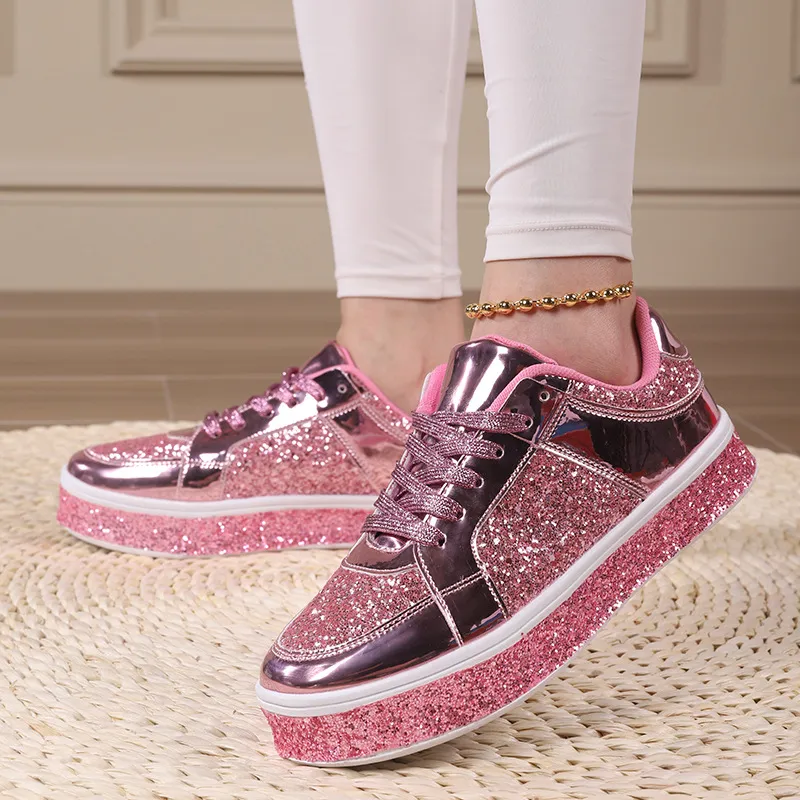
In this detailed guide, we’ll walk through how to start a fashion shoe business, leverage wholesale opportunities effectively, and achieve long-term market success. Along the way, we’ll highlight useful tools and services offered by FashionTIY, a trusted online wholesale platform for footwear and accessories.
Chapter 1: Exploring the Fashion Shoe Industry
1.1 Market Trends and Customer Preferences
The footwear market is constantly evolving, influenced by shifting consumer tastes. Key trends include sustainability, comfort-focused designs, athleisure styles, gender-neutral fashion, and the convenience of online shopping. Keeping up with these trends helps businesses stay relevant and competitive.
1.2 The Importance of Wholesale
Wholesale sourcing plays a vital role in scaling a business. Partnering with dependable bulk suppliers allows retailers to access better pricing, a wide range of products, and stable inventory supply.
👉 Start your sourcing journey with bulk footwear collections designed for retailers and entrepreneurs.
Chapter 2: Finding the Right Wholesale Suppliers
2.1 Selecting a Reliable Supplier
Choosing the right supplier is critical. Look for:
● Competitive pricing and flexible MOQs
● High product quality with clear specifications
● Transparent inventory and reliable delivery
● Strong customer service
● Trend-focused product offerings
FashionTIY is a comprehensive platform that meets these requirements for global footwear sellers.
2.2 Key Footwear Categories to Source
Sneakers & Sport Shoes
Casual and athletic sneakers remain top sellers.
👉 Source from trusted sneakers wholesale suppliers to ensure trending styles and a wide size range.
Women’s Heels & Dress Shoes
Essential for boutiques and formal wear markets.
👉 Browse popular options at wholesale women heels.
Sandals
Perfect for warm climates and seasonal demand.
👉 Explore collections at sandals wholesale suppliers.
Slippers
Increasingly popular in comfort and homewear categories.
👉 Find cozy options through wholesale slippers.
Boots
Ideal for both fashion and functionality.
👉 Discover styles via boots wholesale suppliers.
Specialty Footwear
Unique styles like wedges and platforms attract trend-focused customers.
👉 Add variety with wholesale platform shoes.
Chapter 3: Managing Wholesale Inventory
3.1 Maintaining the Right Stock Balance
Effective inventory control is essential. Avoid overstocking or understocking by:
● Using data to predict demand
● Focusing on best-selling products
● Mixing staple and trend-driven items
3.2 Catering to Different Customer Segments
Men’s Footwear
👉 Source essentials at wholesale men shoes
Women’s Collection
👉 Start with wholesale women heels
👉 Add classics from loafers wholesale
👉 Include modern styles from mules wholesale

Kids’ Shoes
👉 Girls’ options: girls shoes wholesale
👉 Boys’ options: boys shoes wholesale
Comfort Wear
👉 Browse house slippers wholesale
3.3 Boosting Sales with Accessories
Packaging enhances brand perception.
👉 Upgrade presentation with wholesale shoe boxes.
Chapter 4: Supplier Negotiation Strategies
4.1 Pricing and MOQ
● Negotiate better rates for larger orders
● Request bulk discounts
● Always test product quality with samples
4.2 Shipping and Logistics
● Choose between FOB and CIF shipping terms
● Monitor production and delivery timelines
● Work with reliable shipping partners
FashionTIY simplifies logistics with global shipping and tracking support.
Chapter 5: Creating a Strong Brand Identity
5.1 Branding Fundamentals
Your brand should connect with your audience through:
● A memorable name and logo
● Consistent product style
● Distinctive packaging
● High-quality product visuals
5.2 Standing Out in the Market
● Offer unique or exclusive designs
● Add functional value (comfort, sustainability)
● Adjust product selection based on performance data
Chapter 6: Setting Profitable Prices
6.1 Cost-Based Pricing
Include:
● Product costs
● Shipping and import fees
● Marketing expenses
Then apply your markup.
6.2 Market-Based Pricing
Study competitors and position your pricing accordingly, offering both premium and budget options.
Chapter 7: Expanding Sales Channels
7.1 Online Platforms
● Shopify stores
● Amazon and marketplaces
● Social platforms like Instagram and TikTok
7.2 Offline Opportunities
● Pop-up shops
● Retail partnerships
● Trade fairs and exhibitions
Chapter 8: Marketing Your Shoe Brand
8.1 Content Marketing
Engage customers with:
● Styling tips
● Trend reports
● Product care advice
8.2 Social Media Marketing
● Use high-quality visuals
● Collaborate with influencers
● Leverage trending content
8.3 Email Campaigns
Send updates like:
● New arrivals
● Promotions
● Restock alerts
Chapter 9: Customer Experience and Loyalty
Strong customer service builds repeat business:
● Respond quickly to inquiries
● Offer simple return policies
● Create loyalty programs
Chapter 10: Growing and Scaling
10.1 Expanding Product Lines
Once established, branch into:
● Seasonal footwear
● Trend-driven collections
● Limited-edition releases
10.2 Entering Global Markets
● Offer international shipping
● Adapt to local payment methods
● Adjust sizing and descriptions for different regions
Starting a fashion shoe business is both rewarding and demanding. Success depends on smart sourcing, effective inventory management, strong branding, and strategic marketing. With the right approach and reliable partners, you can build a scalable and profitable brand.
FashionTIY offers a complete solution for footwear entrepreneurs—from bulk sourcing to diverse product categories across men’s, women’s, kids’, and comfort footwear. By leveraging these resources and applying proven strategies, you can confidently grow a fashion shoe business that appeals to customers worldwide.


Comments
Post a Comment